Tag Archives: decentralization

Introducing the DWeb Camp 2026 Venue: Alte Hölle

As our group of DWeb Camp organizers arrived at Wiesenburg station, frazzled by countless train delays in Berlin, a light rain and a blossoming gray winter sky welcomed us.

Moments after our arrival, a car and a van swooped up in front of us. Two of Alte Hölle’s stewards, Marv and Störte, had come to pick us up. During our days at this former forest hotel, we heard a common refrain: Imagine this place greener and warmer. Still, we did not have to stretch our imaginations very far. From the very first moment we laid eyes on Alte Hölle e.V., the only thing we could see was DWeb Camp 2026.

“We are just starting to wake up,” Marv told us while we looked across the property in late February. Just a couple of weeks earlier, snow levels reached an almost record 71 cm, and temperatures sank to double digits below zero. We arrived at this Brandenburg event space as bare trees, families of wild boars, and humans alike were emerging from their winter hibernation.
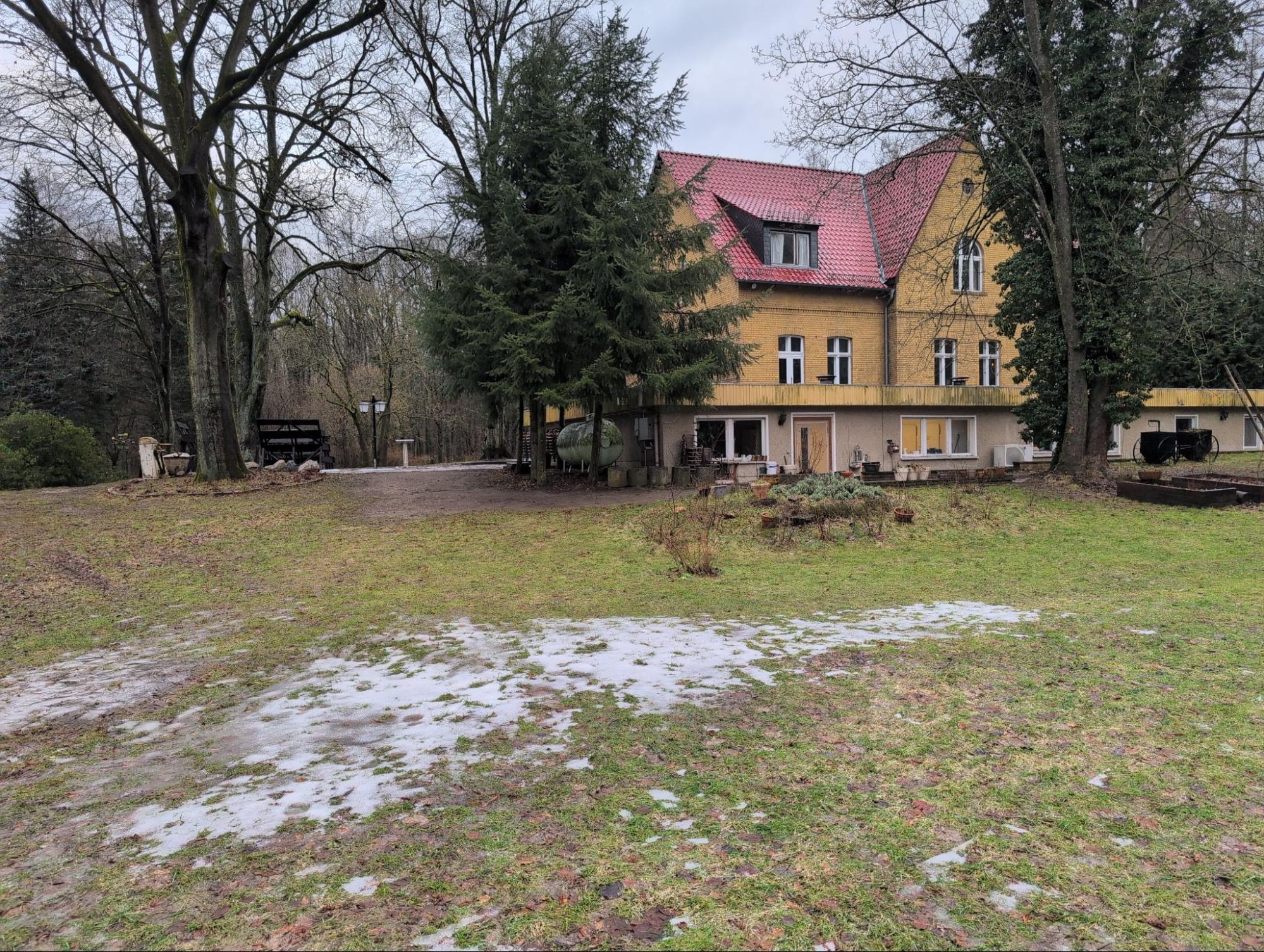
A photo of the main building of Alte Hölle during our Winter visit

Alte Hölle has a very special history. Originally built in the 1800s as a Prussian forestry administration center, it later became a recreational facility for the Secret Service of communist Eastern Germany. Then a woman purchased it in the 1990s and managed it for three decades as a forest getaway spot. By 2021, the hotel wasn’t making a profit and she was searching for successors to take over. The full potential of this historic venue was yet to be recognized and realized.
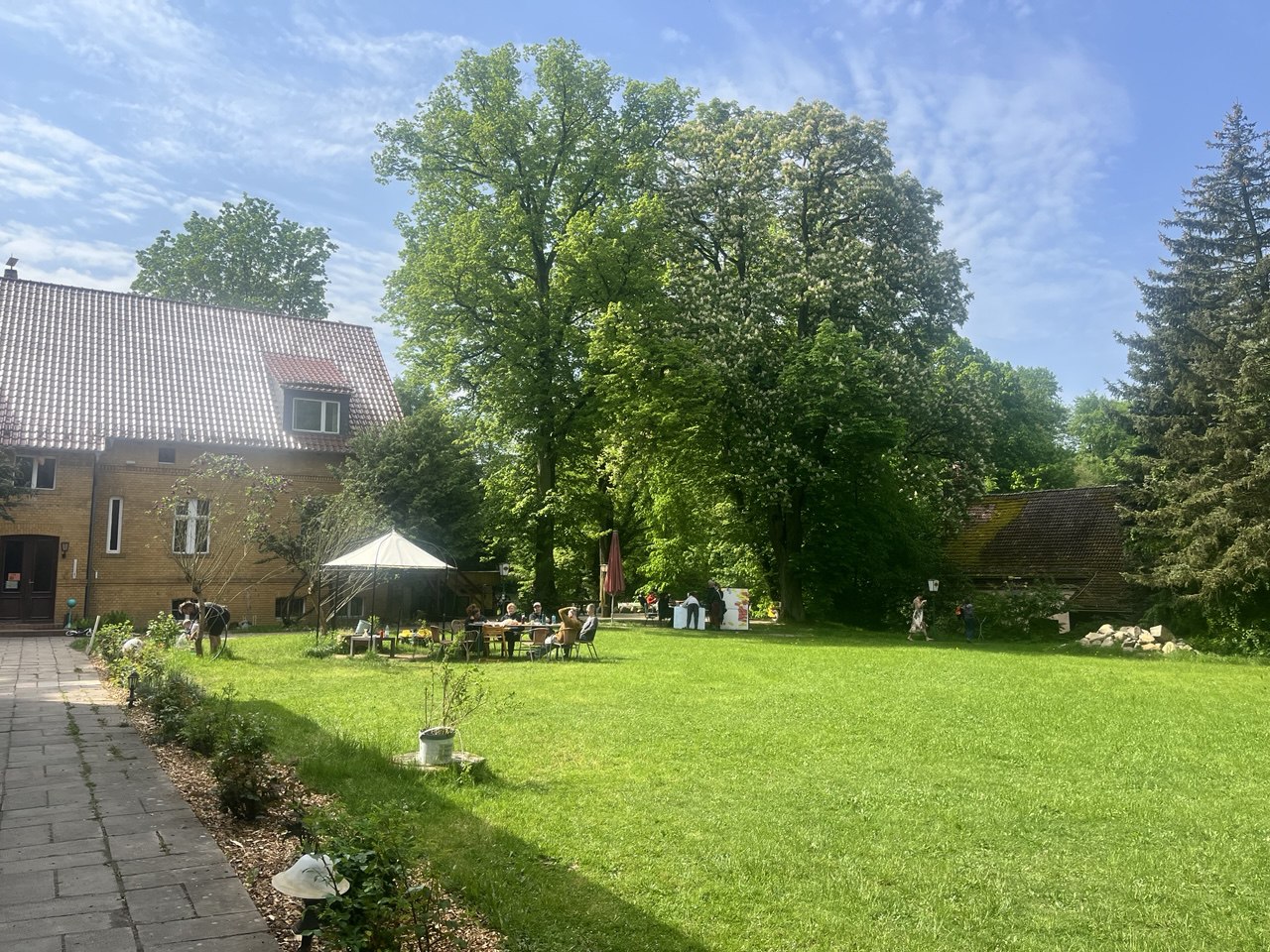
A photo of Alte Hölle during the summer
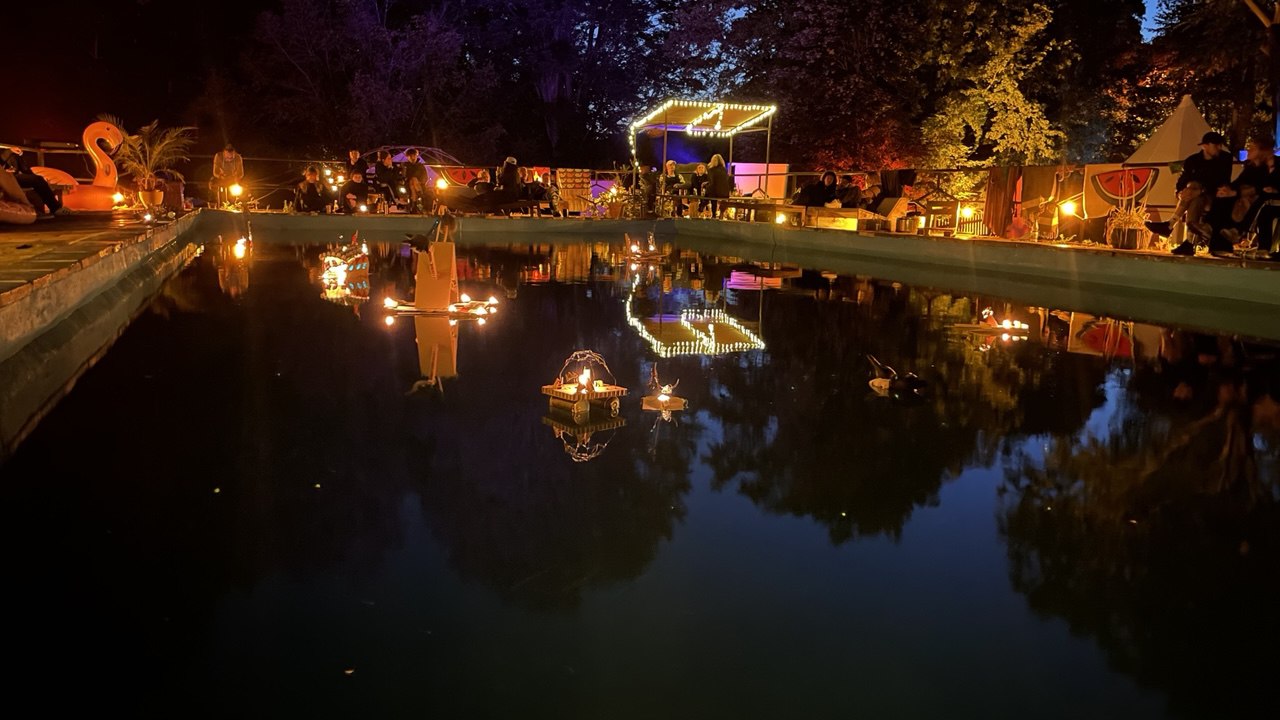
The pool of Alte Hölle at night

At the same time, a diverse ensemble of friends who met at Chaos Communication Congress got together, looking for a place to establish a physical base to gather, build and host events and festivals. The old forest hotel was finally seen by the right sets of eyes, imagining it in a new light!
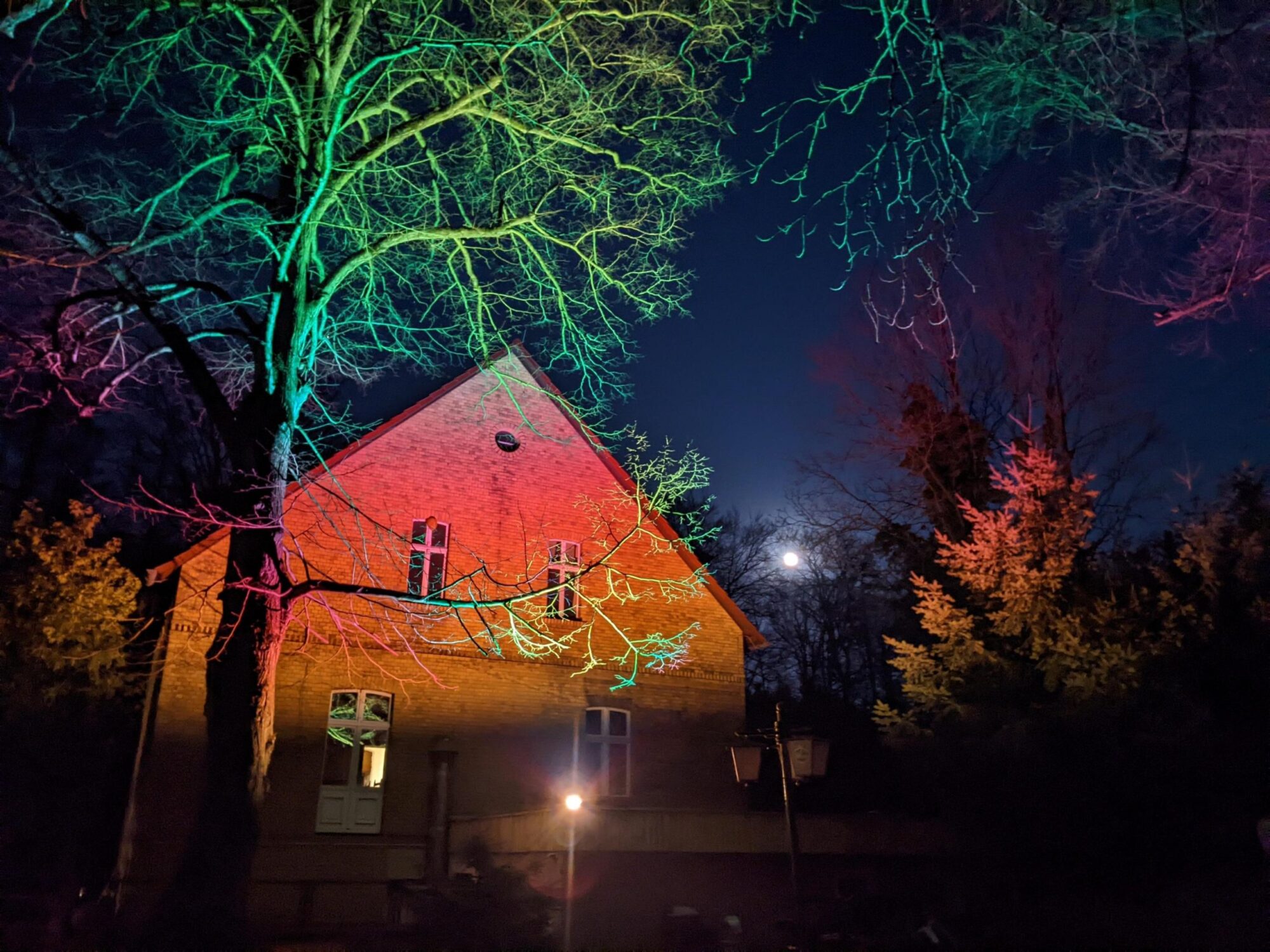
The façade of the hotel at night, lit by coloured lights

These ardent builders and dreamers booked the whole hotel for a week, coming up with ideas and ways to infuse the space with new life. After witnessing their process, the original owner slowly decided that selling her life’s work to a loose group of DIY enthusiasts was really the best option.

In 2021, this group purchased Alte Hölle, transferring the property to an association to ensure its long-term stability as individual involvement shifts and changes. Ownership by an association establishes Alte Hölle as a collectively-run physical commons. The members of the collective chipped in smaller amounts to secure a long term loan, thus collectivizing and decentralizing ownership and financial risk.

Rural Brandenburg isn’t exactly a cultural hotspot attracting scores of young people. Yet, for the Alte Hölle collective this place offers an opportunity to usher in change and a new cultural presence in the Brandenburg area. We don’t want to be a group of happy dropouts isolated from society, Störte explained to us. Our intention is to look outward, participating in local initiatives, bringing people to this place, and being a backbone for community organising and democratic practice.

The Alte Hölle collective welcomes open involvement in decision-making and shaping the future of the project. Alte Hölle’s governance model is non-hierarchical and based on consensus. It’s hard to distinguish between who lives there and who doesn’t: people come and go, but they still actively contribute to decision-making and developing Alte Hölle’s infrastructure. We want to blur the lines as much as possible between who is here and who is not, because not everyone can afford to work remotely and stay long term, but this should not influence their sense of belonging to the project, says Franzi, one of the stewards of the venue.

Alte Hölle runs as a seminar hotel for a broad variety of groups. Other collectives come there to organize retreats, literary groups hold reading events on the grounds, bike enthusiasts come for week-long workshops. And from July 8-12 2026, Alte Hölle is welcoming DWeb Camp.

How did we select this unique place an hour southwest of Berlin? It becomes clear if you look back at the history of Camp and the principles that guide our decisions.

Since our first outdoor convening, we’ve aspired to work closely with our venue’s stewards to help improve the land. We did so at the Mushroom Farm in 2019, when we brought stable internet to the remote California coastal location by building a tower and installing antennas across the property to establish a local mesh network. We want DWeb Camp to be firmly grounded in a place. A place with history, community, strong values, and aspirations. A place that shares our principles of giving agency to people, distributing value and power broadly. DWeb seeks to achieve this in the digital realm; Alte Hölle does so in a collectively-run 100,000 square meters of forest and field.

In November, we sent an email to share our ideas and explore the possibility of hosting Camp at Alte Hölle. Marv was the first to see our inquiry. As I read that email, a few things immediately just clicked. The right values, talks and workshops with interesting content and initiatives. I sent a very enthusiastic reply, and a couple of weeks later we were walking the place together with a first exploratory delegation from DWeb.

Then in February, a dozen members of our team convened to survey the site and start planning the details.
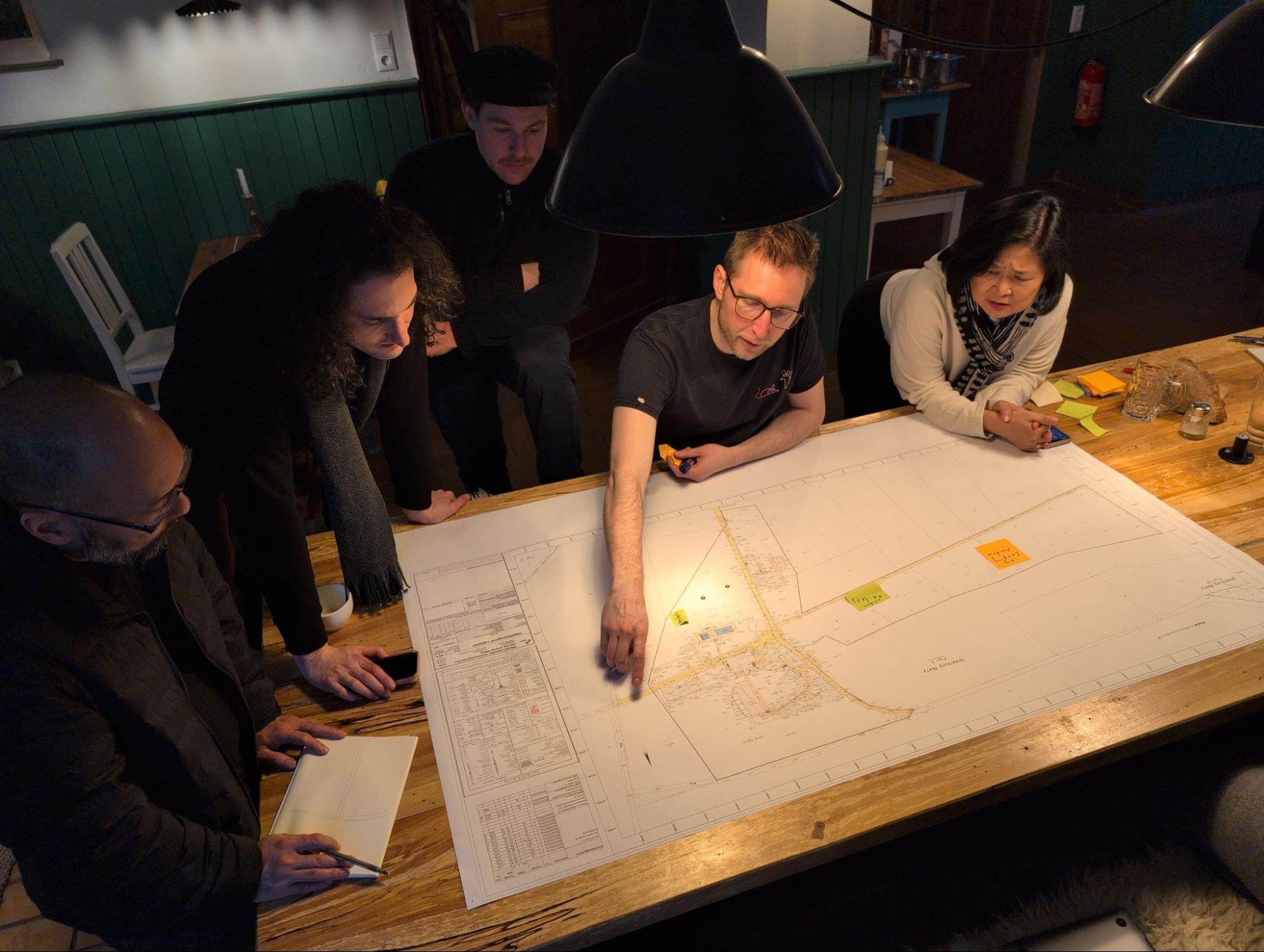
Marv of Alte Holle pointing out power, connectivity, and other features of the 100,000 square meters of the property.

So now, the organizing machine is in full motion. We are meeting the vibrant culture of Alte Hölle with the joyful spirit of DWeb Camp. Not only will we have a lot of infrastructure to build, but also many things to make! Using wood sourced from local forests, we plan to craft benches, tables, and some other key structures we’ll need at camp.

The DWeb and Department of Decentralization organizers and the Alte Hölle community are looking forward to welcoming you to this land of rich history and abundant promise.

As Franzi shared, I love the idea and the principles behind DWeb Camp, and I am really looking forward to having an international event with many people coming from all around the world!
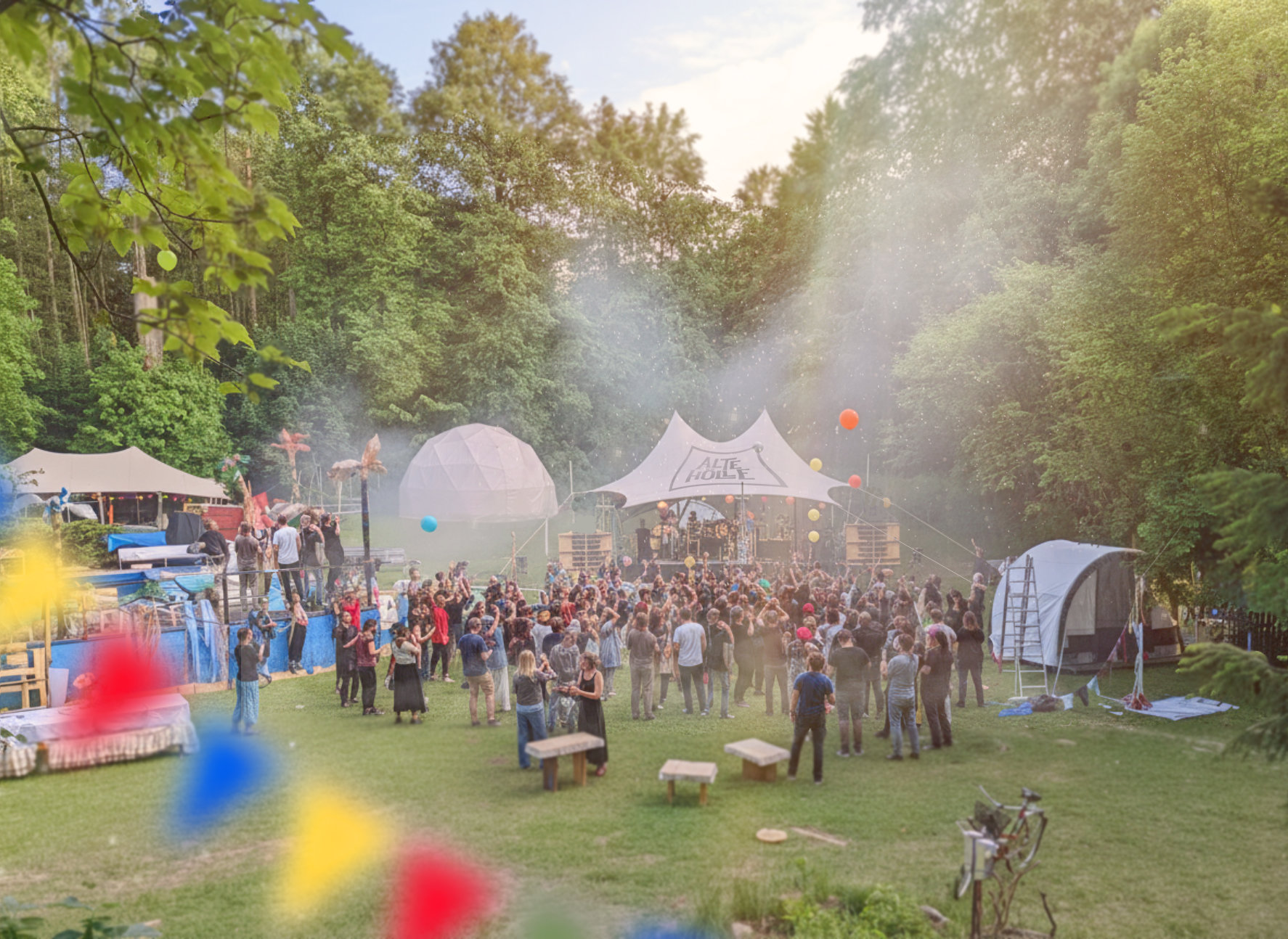
A music festival at Alte Hölle
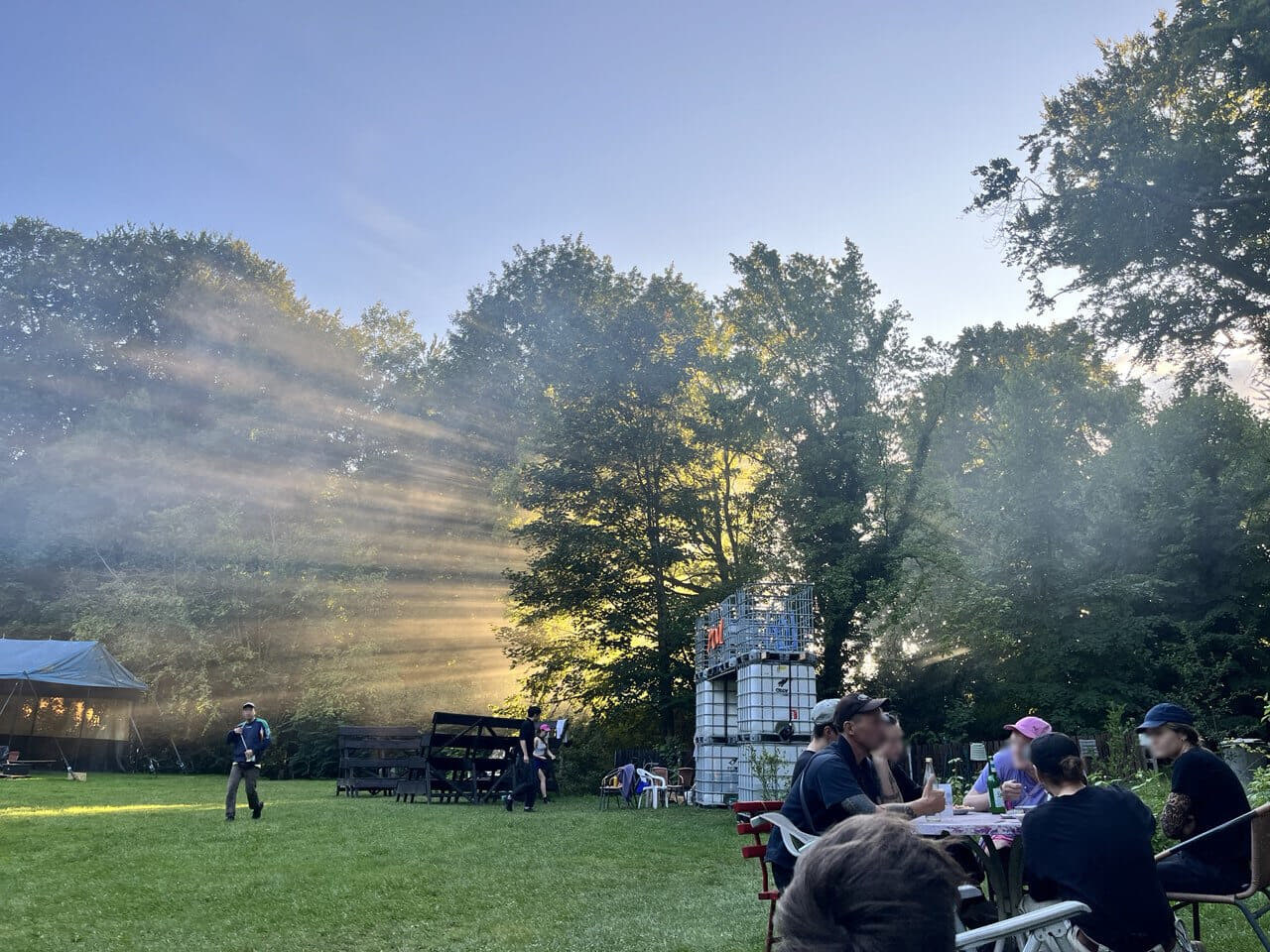
Sunrays and people walking on the Alte Hölle field.

DWeb: Let’s Look Ahead to Another Big Year

Looking back at 2024 and a summary of ideas for what comes next

This year marked the eighth year of DWeb – since 2016 scores of us have gathered in the redwoods, in the halls of Greco-Roman buildings, on the beaches of California and Brazil, in hackerspaces, on the Playa — and online, spanning international time zones, languages, expertise, and interests. Over these years, DWeb has become a dynamic community of dreamers and builders creating alternatives to the dominant, centralized and corporate internet. We want to build a web that manifests trust, human agency, mutual respect, and ecological awareness. And DWeb is a space for thoughtful conversation and finding the collaborators and resources to bring decentralized, distributed, and local-first networks to life. 

DWeb Camp 2024

By many accounts (and feedback survey responses), DWeb Camp 2024 was our most successful camp yet. It was our fourth Camp, with more than 520 people flying from all corners of the world to meet in the redwoods of Navarro, California. We held our first Demo Night Market, where 32 projects showcased their working code, allowing campers to try out and provide meaningful feedback to builders. We held over 420 sessions and workshops over five days and this year we brought 25 DWeb Fellows from 21 countries across Europe, North America, South America, East Asia, South Asia, West Africa, East Africa, and the Middle East.

You can read some of the reflections about this year’s camp here, here, and here. While we are taking a break from holding Camp in 2025, stay tuned for details on DWeb Camp 2026.

As we close out 2024, let’s look back at the other highlights of the year.

DWeb 2024 Highlights

Virtual Meetups — We held eight virtual meetups this year, with topics covering governance, cryptography, AI, project funding, and more. You can check out all of the recordings of our past meetups.

Local Node Meetups — Across our local Nodes, there were over 12 in-person meetups in San Francisco, Los Angeles, Seattle, Vancouver, Hanoi, Buenos Aires, Burning Man Playa. See more below on ways we’re planning to grow the DWeb Node network next year!

What were some other notable happenings in our ecosystem?

DWeb For Creators Course — Gray Area designed and offered its first online course focused on DWeb history, principles, and practice in the spring. If you missed it, you can find all the open source content and also take the course again this coming spring 2025.

Bluesky’s Massive User Growth — Many of the core team of leaders and developers at Bluesky have been a part of the DWeb community. The network relies on content-addressed content and is working towards making “credible exit” possible, especially in light of the major exodus from X-Twitter. So while it’s debatable whether it’s truly a decentralized social network from a technological perspective, we cannot help but feel like this is a big step forward for the DWeb movement (note: the back and forth written exchange between Christine Lemmer-Webber and Bryan Newbold is worth checking out ICYMI).

We’re sure we missed some other highlights from 2024 — tag us on our social networks so we can boost your successes from the year on Bluesky (@dweb.bsky.social) and on the Fediverse (@dweb@social.coop)!

What’s Next for DWeb in 2025

When the DWeb organizing team decided to take a year off from holding Camp in California, a big part of our decision was weighed by our desire to work towards decentralizing the movement. Our vision in 2025 is to support the growth of DWeb nodes around the world, empowering and aiding them in hosting DWeb gatherings big and small. Rather than focus on one big convening in Northern California, we will be supporting smaller regional gatherings in Vancouver, Taiwan, Healdsburg, and Brazil. 

But we want to hear directly from the DWeb community and understand what you want to see happen in the coming year. So at last month’s virtual DWeb meetup, we asked: how could DWeb better support our community’s goals in building a decentralized/distributed Web? And how do we each want to contribute to help support this network? 

One of the walking paths across the river at Camp Navarro.
Photo: Navarro Path © 2024 by mai ishikawa sutton is licensed under CC BY-SA 4.0

Following a short presentation from core organizers about the events and projects we’d like to pursue next year, we opened the floor for an open discussion. Following that, the 60 or so of us present divided into small groups and discussed what we’d like to see next for DWeb. You can find the recording of the whole meetup here. 

Here are the highlights of what we heard:

Let’s Walk Our Talk

Many expressed the desire for us to do more to highlight the projects and best practices for replacing the “centralized, attention hijacking, surveillance technology” of the dominant internet with “decentralized technology that supports human values including autonomy, personal data protection, privacy, etc.”

People felt that we should find ways to encourage participatory design by building bridges to communities to better map needs to solutions, and solutions to needs. A key to this (repeated by many across) was that people find it really helpful to receive feedback on their projects. They want to understand how their tools can work better, and how they can get collaborators and financial support. One of the main ways people find value in the DWeb community is to allow people to share their projects to make them more usable and viable. Offerings by people included holding branding / UX design workshops and working with the DWeb Principles to make them more robust and actualized.

DWeb has a robust website with resources on DWeb technologies and analysis, but it currently needs some brushing up and updating. One person desired specific resources for counter-surveillance measures for high-risk communities including indigenous and queer communities. These types of resources would be critical in showing how DWeb can be immediately useful for those who are in urgent need of alternatives. 

DWeb Project Directory

An oft-repeated desire that we’ve heard is for a DWeb Project Directory, where people can find aligned projects, affinity groups, and potential collaborators. People want to know where the DWebbers are! 

Such a curated directory could map individual people’s skills, interests, and locations for people to interact and post topics/needs/projects for them to find each other. It was particularly noted that it should include non-developers, with people skilled in communications, UX design, organizational and governance design, fundraising, community management and more. The directory could be shaped by select community members, and also be used to shape an ecosystem map to visualize the domains of decentralization happening across the network stack. 

Nodes Network and In-Person Gatherings

There were calls for decentralizing the technological infrastructure of DWeb. One of the main ways we hope to achieve this is by growing our Nodes network – where people within a region can meet in-person and have regular local get-togethers. We’ve heard that a toolkit and support system would be helpful for those wanting to get their local Node off the ground. One person said that they wanted to help set up local nodes around the DWeb Principles “that go beyond the technology layers to involve social governance and way[s] of living / growing.”

On that note, there’s a growing contingent who would like to see a kind of DWeb residency, where people would go to a place for a period of time to work on a project together and co-create the experience, much like Camp. There have been Hacker Houses that have done something similar, and they tend to meet alongside related events such as Ethereum DevCon. There are a few folks in our midst who are already (or are interested in) experimenting with co-living. They said that they’d like to try a similar model with the residency using a benefactor model, where people could live somewhere for a certain period, with all their expenses paid, so they could collaborate in person on building DWeb infrastructure. This would also entail building relationships with people on the ground who live there, who want and need the kinds of tools that would be created through the residency. 

Many would also like to see a DWeb Calendar, which people could add events to and subscribe to directly with their calendar app of choice. One person said “it would be incredibly supportive for dweb as an attractor of brilliance and credibility to endorse distributed events who apply for said endorsement.”

Virtual Gatherings and Communications

DWebbers want to continue to see virtual meetups happen throughout the year. Some suggested that the virtual meetups can be more experimental, with meet and greets where people can be invited to share asks and offers. But a few people suggested that in lieu of meeting at Camp, there could be a big virtual summit that takes place to bring people together virtually for a few days — much like DecentSocial from a few years back.  

We could also do a better job of providing ongoing news, updates, and publications across the DWeb ecosystem. Many echoed the fact that they wanted to make sure that they didn’t miss any big updates. So people suggested a DWeb News Digest – where people could also describe their needs, request specific help, post or offer jobs and opportunities. It was noted that it would help to establish a habit amongst the community to see this as a kind of clearinghouse for DWeb news. This would likely have to interface with the Directory mentioned above. 

And lastly, the topic of storytelling came up across the groups. Those new to the space don’t quite understand what DWeb is and its community’s values and approaches. DWeb regulars note that they continue to participate in DWeb because it energizes both the “heart and the head” and that they’ve come to know the community for being “rigorous intellectually and generous in openness”. A regular DWeb Blog with writings and media could help better reflect how our values can be embodied in the technologies that we build.  

*~*~*~*~*

With all the challenges in the world and a shifting landscape in the U.S., we don’t know what’s in store for us in 2025. But as the DWeb Organizing Team, we truly look forward to continuing the conversation and maybe even seeing you at some of the events planned in the new year. 

Upwards and onwards!

With gratitude,

DWeb Core Organizing Team

Coming to DWeb Camp? Archive a Memento at the Migration Station

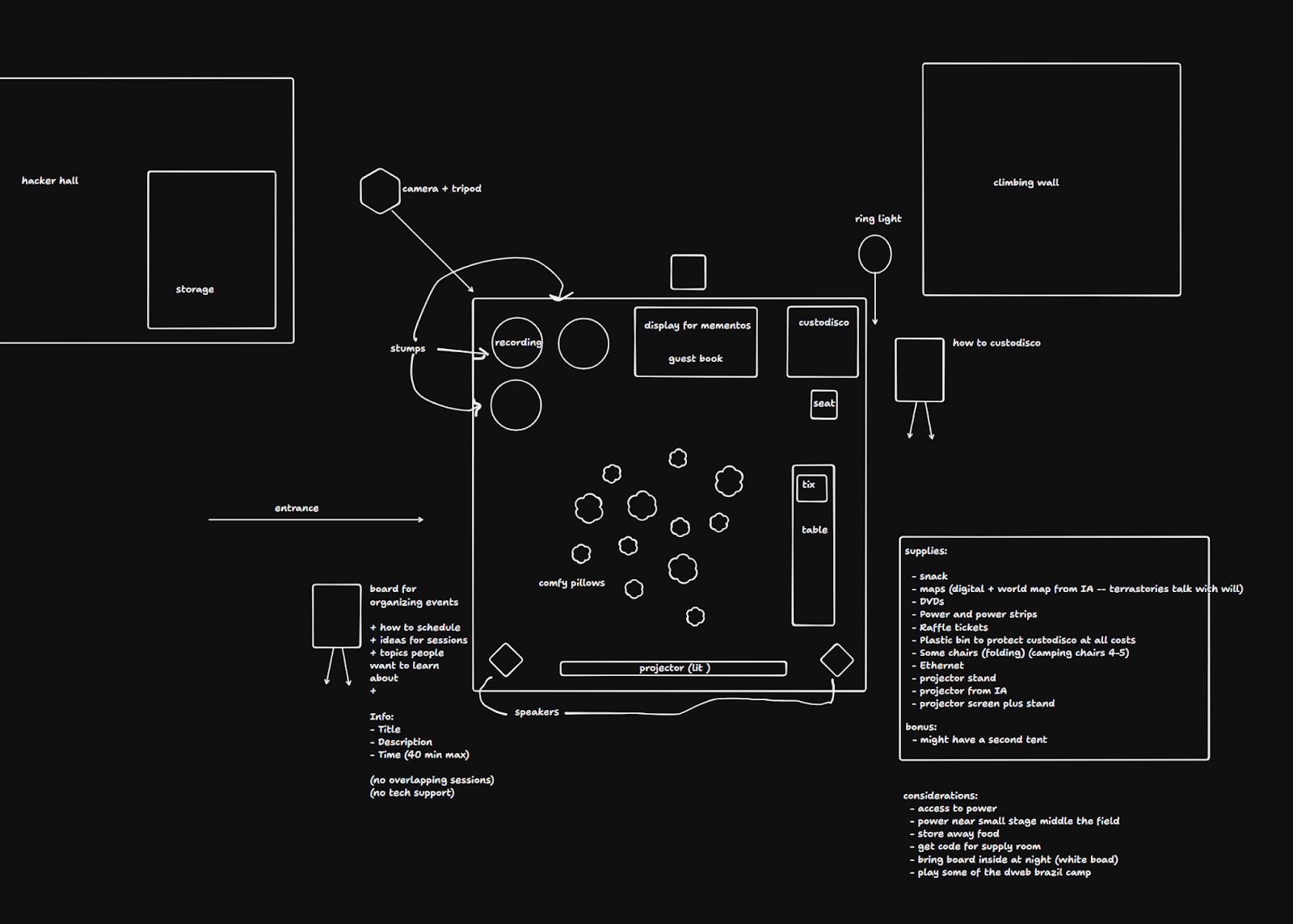
We have a new pop-up space at DWeb Camp this year: the Migration Station, a space for archiving migration mementos and self-organized workshops. The exact location is TBD, but it will be located near the Library and rock climbing station.

Planned layout of the Migration Station

Our theme of this year’s Camp is Migration: Moving Together — to touch upon what is a pertinent reality for so many worldwide, and relate their experience to the DWeb. Beyond a poetic metaphor for moving people from the centralized web to the decentralized web, we’d like to acknowledge how masses of people are displaced due to war, genocide, climate change, and other reasons, for the sake of survival. We want to reflect on how network technology can address their needs amidst catastrophe.

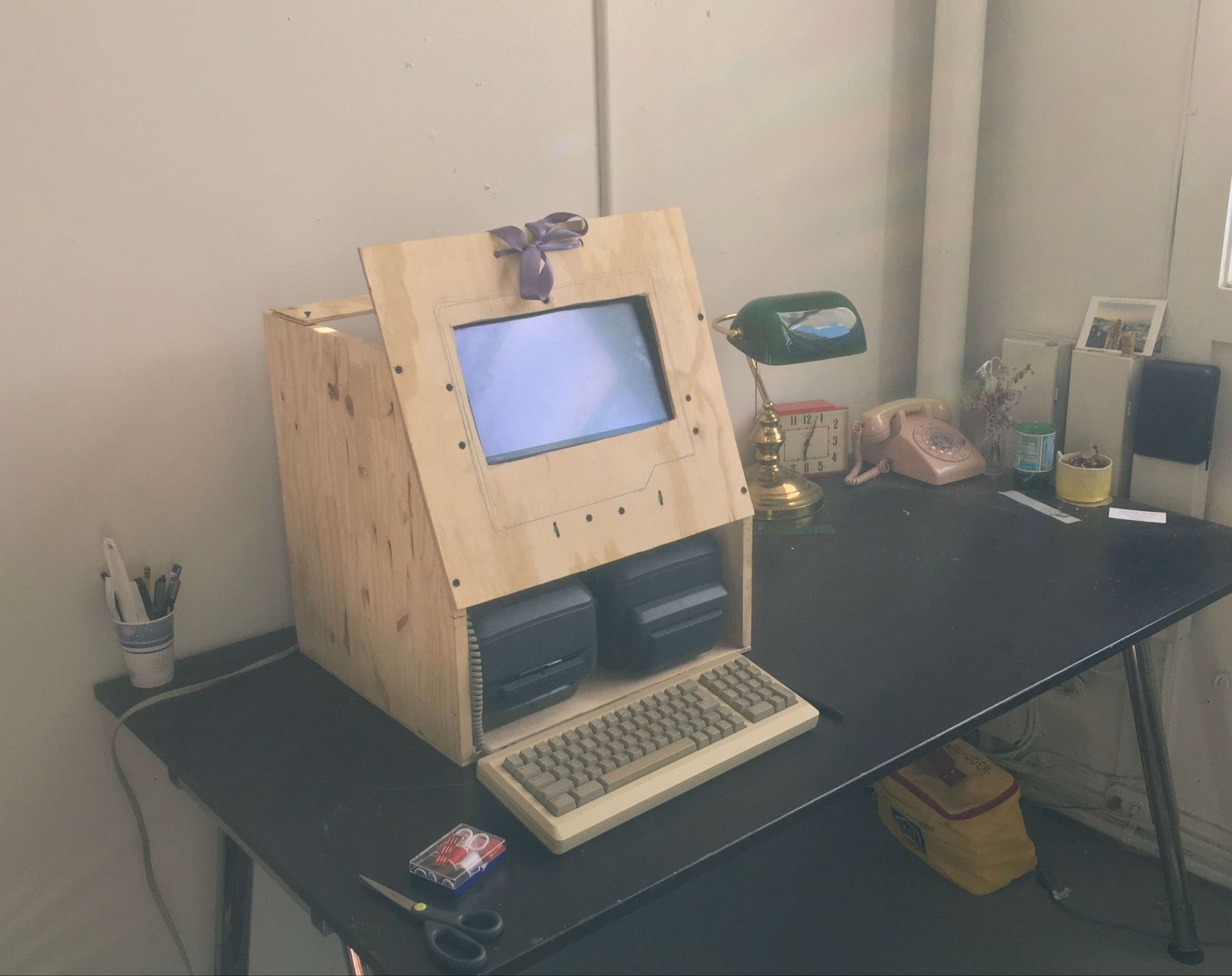
And along this theme, we’re inviting all Campers to bring a small memento (up to 5×5 inches/120×120 mm) to reflect on their own personal, or resonant, migration stories. At the Migration Station, you will be able to photograph the item, write a note, and record an audio story using the Custodisco and Audiovisco kiosks.

Photo of the Custodisco Kiosk, where you can photograph and add your migration story to the digital memento archive.

Over the course of the week, you will have an opportunity to add your objects and stories. After Camp, we will take this archive, as well as a carefully selected set of small objects folks are willing to part with, and create both a digital and physical time capsule to be buried for 24 years and unearthed in 2048. The physical time capsule will be buried at the Internet Archive. The digital time capsule will be preserved using a variety of different DWeb tools and protocols in order to practically test different approaches for cultural preservation.

The exact location where we’re planning on burying the physical time capsule, at the Internet Archive garden.

Memento Ideas

Possible mementos include: A copy of family photo or historical document; a shawl, scarf or other textiles that was worn or used to carry objects; hand made art, small statues, talismans or other religious artifacts; an interesting rock from a special place; jewelry, baskets, bags, or even an old key and the story of what it once unlocked.

If you’re unable to bring a memento, you can always visit the Art Barn to create something at Camp.

A very limited number of objects will fit into the time capsule, so if you’d like your object to be considered for inclusion, please bring a memento that is no larger than a CD and is robust enough to survive for 24 years underground (i.e. no low quality paper or organic material). If your object is larger than a CD, or you don’t want to part with your object for sentimental reasons, you will still have the opportunity to create an entry in the digital archive recording your object and its story.

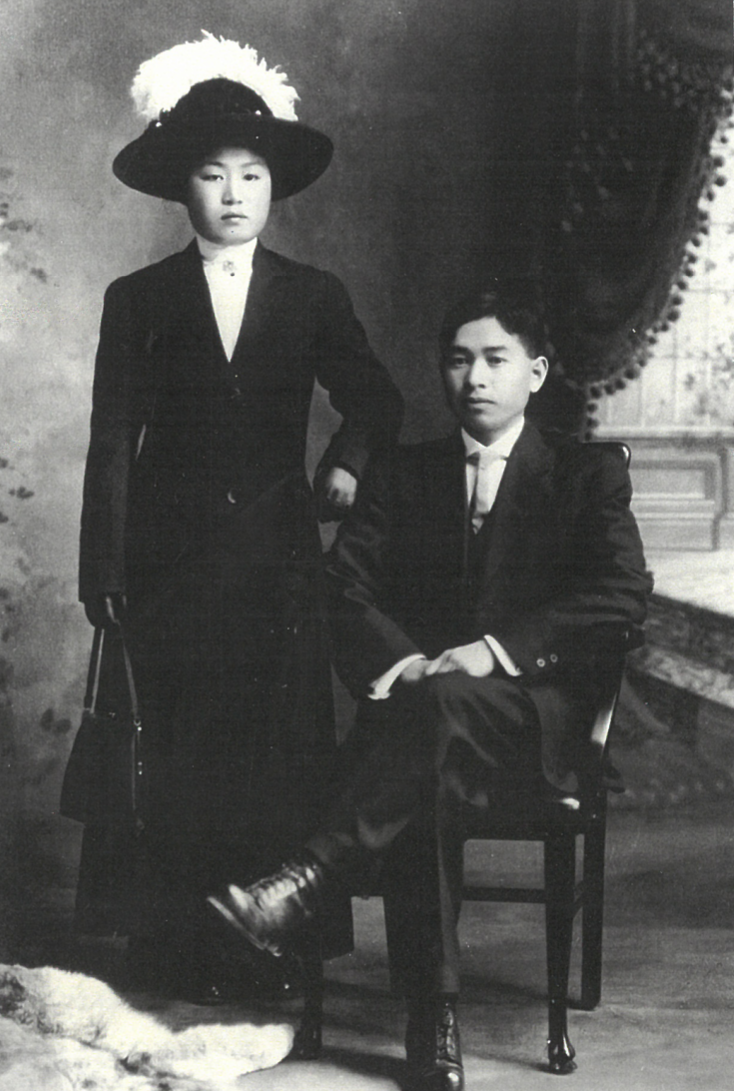
Above is a photo of DWeb Camp’s Executive Producer, Wendy Hanamura’s grandmother and grandfather. Wendy will be archiving the story of how both of her grandmothers came to the United States as picture brides through Angel Island in California.  

Migration Station Workshops

Throughout the week, the space will also offer self-organizing workshops, including:

  • Collective story sharing/listening
  • Archive exploration sessions
  • Discussions on archiving experiences
  • Map drawing workshops
  • Working with the archival material (ex. noise cleaning, translations)
  • Reviewing favorite archived materials
  • Discussions on the future significance of the archive

We hope you bring your mementos, stories, and dreams.

See you at the Migration Station.

Our Social Media is Broken. Is Decentralization the Fix?

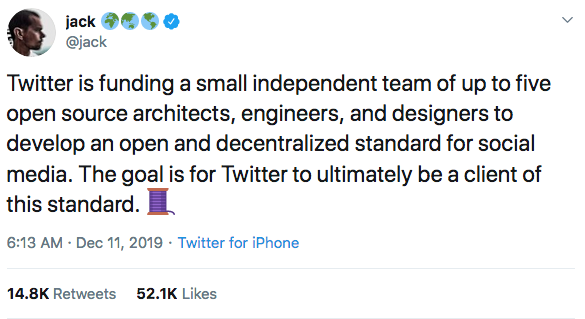
When Jack Dorsey, founder of the very centralized social media platform, Twitter, posted this message about decentralized social media, our DWeb community took note:

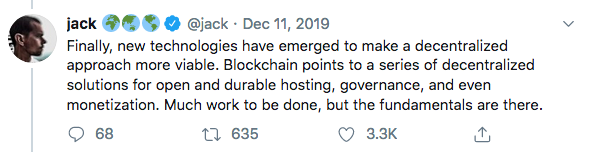
Dorsey went on to enumerate the current problems with social media: misinformation and abuse; opaque, proprietary algorithms that dictate what you see and hear; and financial incentives that elevate “controversy and outrage” rather than “conversation that informs and promotes health.”  But Twitter’s co-founder and CEO also sees promising new solutions:

We agree. Much work has been done and some of the fundamentals are in place. So on January 21, 2020 the Internet Archive hosted “Exploring Decentralized Social Media,” a DWeb SF Meetup that attracted 120+ decentralized tech builders, founders, and those who just wanted to learn more. Decentralized social media app builders from London, Portland and San Francisco took us on a tour of where their projects are today.

WATCH PRESENTATIONS HERE:

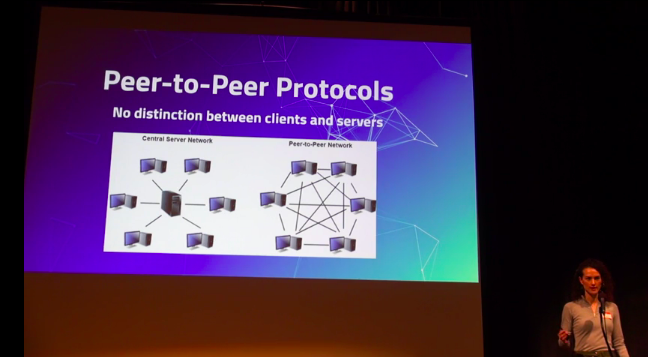
Developer and writer, Jay Graber, explained the state-of-the-art in Peer-to-Peer, Federated and blockchain related social media.

The evening began with a survey of the decentralized social media landscape by researcher and Happening.net developer, Jay Graber. (See her two excellent Medium articles on the subject.) Graber helped us understand the broad categories of what’s out there: federated protocols such as ActivityPub and Matrix; peer-to-peer protocols such as Scuttlebutt, and social media apps that utilize blockchain in some way for  monetization, provenance or storage. What was clear from Graber’s talk was that she had tested and used dozens of tools, from Mastodon to Iris, Martti Malmi’s new P-2-P social app and she deftly laid out the pros and cons of each.

What followed were talks by the founders and developers from each of Graber’s categories:

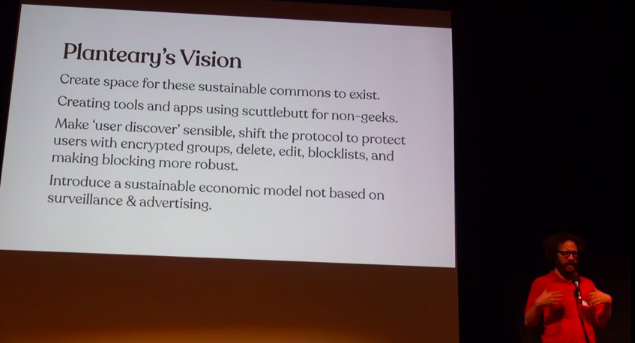
Evan Henshaw-Plath (aka Rabble) was one of the earliest engineers at Twitter. He’s bringing years of startup experience to Planetary.social, his new P-2-P mobile version of Facebook.

Evan Henshaw-Plath, an original Odeo/Twitter engineer, is the founder of Planetary.social, a P-2-P mobile app that’s “an open, humane Facebook alternative” built atop Scuttlebutt. His goal with Planetary is to make an app reflecting the values of the commons, but that feels as seamless and familiar as the social apps we already use.

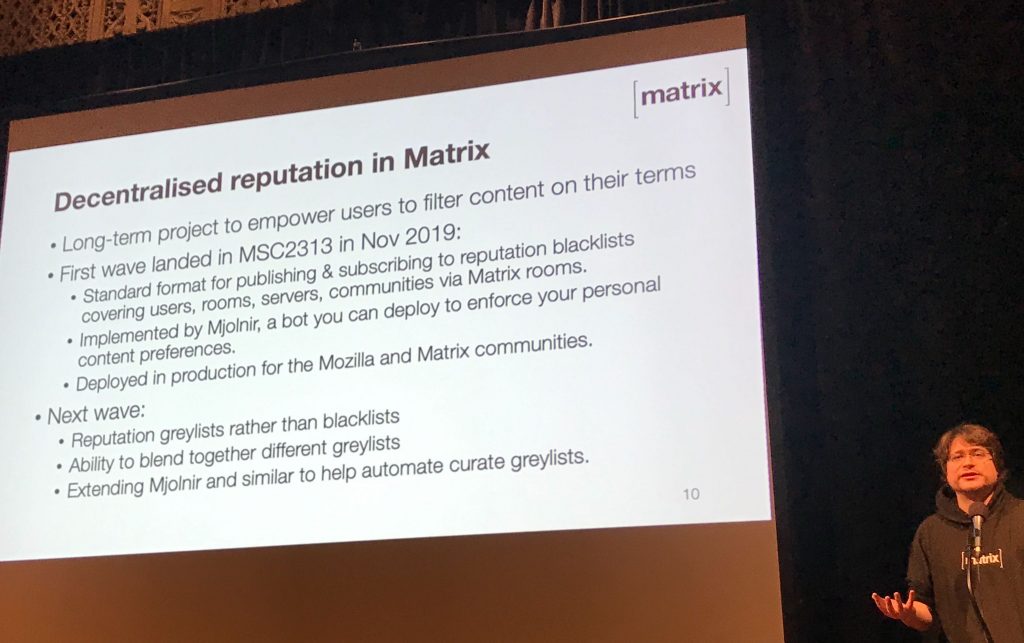
Flying in from London, Matthew Hodgson, founder of Matrix.org, brought us up-to-date with his open network for fully encrypted, real-time communication. With an impressive 13.5 million account holders, including the governments of France and Germany, Matrix is showing hockey-stick-like growth. But Matrix’s greatest challenge: in an encrypted, decentralized system, how do you filter out the bad stuff? By using “decentralized reputation,” Hodgson explained, allowing users to moderate what they are willing to see. Hodgson also revealed he’s building an experimental P-2-P Matrix in 2020.

With fuller control over one’s social streams comes greater responsibility. Matrix founder, Matthew Hodgson explains how each user can subscribe to trusted blacklists and eventually “greylists” of questionable content and block it.
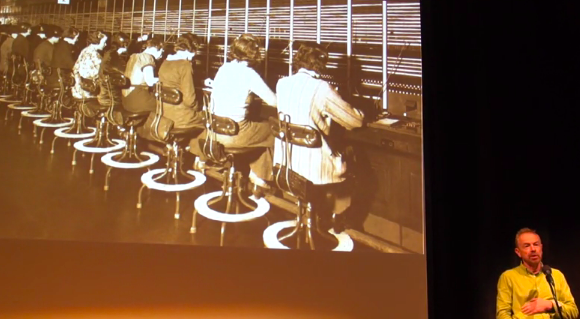
Today’s social media walled gardens are not that different from America’s phone companies in 1900, explained tech executive, John Ryan. We are in the early days of integration.

Thought leader and tech executive, John Ryan, provided valuable historical context both onstage and in his recent blog. He compared today’s social media platforms to telephone services in 1900. Back then, a Bell Telephone user couldn’t talk to an AT&T customer; businesses had to have multiple phone lines just to converse with their clients. It’s not that different today, Ryan asserts, when Facebook members can’t share their photos with Renren’s 150 million account holders. All of these walled gardens, he said, need a “trusted intermediary” layer to become fully interconnected.

Twitter CTO, Parag Agrawal, has been tasked with bootstrapping a new team of decentralized builders called “Bluesky.”

Next  CTO, Parag Agrawal, outlined Twitter’s goals and the problems all social media platforms face. “Decentralization to us is not an end, it’s a means to an end,” he explained. “We have a hypothesis on how it can help solve these problems.” Agrawal says Twitter will be bootstrapping a team they call “bluesky,” who will not be Twitter employees, but independent. “Twitter will have very little control (over bluesky) other than our bootstrapping efforts,” he laid out.


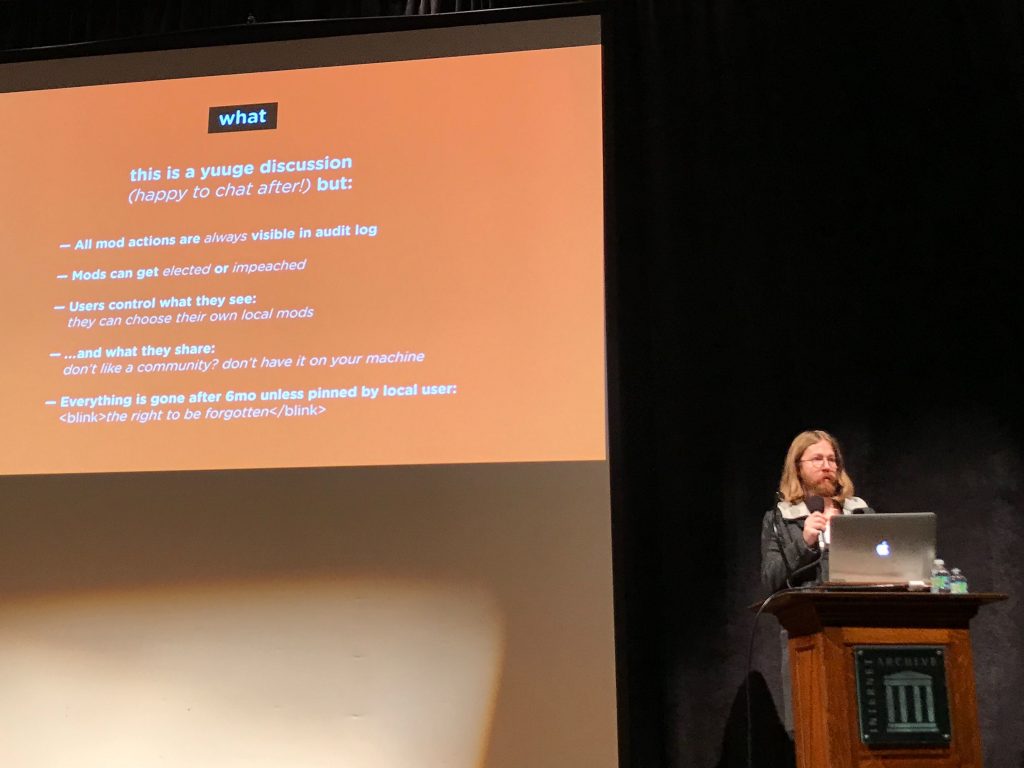
Next up was Burak Nehbit, founder of Aether, something akin to a peer-to-peer Reddit. But here’s Aether’s secret sauce: expert moderation, with 100% transparency and communities who elect their own moderators. Aether is focused on “high quality conversations” and those users willing to roll up their sleeves and moderate them.

Aether’s founder, Burak Nehbit, is creating a P-2-P social media platform of highly curated, self-governed content, where elected moderators ensure “high quality” conversations.

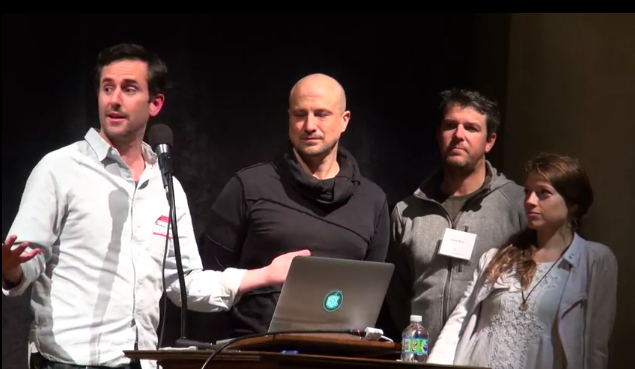
And rounding out the evening was Edward West, founder of Hylo.com, an app that combines group management, messaging and collaboration built on holochainRecently Holo acquired the Hylo software and Holo’s Director of Communications Jarod Holtz explained why this union is significant for decentralized builders, including the Terran Collective‘s Aaron Brodeur and Clare Politano, who will be stewarding the Hylo project: 

Edward West of Hylo, Aaron Brodeur, Jarod Holtz and Clare Politano are joining forces as Hylo.com is acquired by Holo and “stewarded” by the Terran Collective.

From both a design and an engineering perspective, the way Hylo is structured makes it perfectly suited to being converted to run in the future as a decentralized application on Holochain. The Hylo code base will be instrumental in helping us demonstrate how a centralised app can be transformed into a distributed app.

Blockchain based social media solutions, including Bevan Barton’s Peepeth built on Ethereum and Emre Sokullu of Pho Networks, gave overviews of their work at lightning speed. After the Meetup, Sokullu penned this article explaining how Pho can serve as a programming language to build decentralized applications. 

From federated to blockchain and gradations in between, decentralized social media is taking flight.  And on one winter night in San Francisco, builders of wildly diverse projects came together at the Internet Archive to demonstrate how far they’ve come—and the long road ahead.